

By Courtney Ridgel
One of the most frequent questions that we receive is, “What vaccinations do I need before I travel?” followed up with, “Do I need to worry about mosquitoes?”, so we put together a quick blog to help explain how to prepare for your travel-related health needs in Southeast Asia.
Few of our travelers experience illness outside of common colds, mild digestive reactions to the local food, or other regular small-scale illnesses, and our team strives to ensure that all of our guests are healthy and happy. We find that the best way to do this is to provide you with enough knowledge to prepare for your trip adequately in advance and make your own health-related decisions.
Please notify Journeys Within of any health concerns that you have before you travel, so that we can provide you with a wonderful trip and be prepared to assist you in case of emergencies. Please also notify your tour consultant of any allergies or food preferences, and let us know if you have special requirements such as if you need to limit walking or going up stairs, or if you need to have a cooler on hand at all times to carry insulin. This information helps us to plan and prepare the perfect trip for you and to prevent health-related issues from getting in the way of you enjoying your vacation.
General Healthcare:
Southeast Asia has many well-equipped hospitals and the facilities in most of the major cities are experienced in handling most problems experienced by tourists. In severe medical cases, these regional hospitals have the ability to air-lift patients to major hospitals in cities like Bangkok, where the facilities meet world-class standards. At times, such as when you are trekking, medical help will be a ways off, so take care. Don’t go if you are concerned about your health and let your guide know if you have any concerns.
Bring a good supply of any prescription drugs you will be taking and carry them on the plane with you in your hand luggage, to avoid losing them if your luggage is delayed or lost.
For those who rely on spectacles or contact lenses, it is a good idea to bring a spare pair of contact lenses and/or glasses in case the first pair gets lost. Also, during the hot season, dirt roads can be very dusty and contact lens wearers may choose to revert to glasses.
You may choose to bring a small emergency kit of medications to deal with those ‘just in case’ scenarios – unexpected colds, headaches, stomach troubles, or diarrhea. Discuss it with your doctor, and keep in mind that your immune and digestive systems may not be used to the naturally occurring bacteria in any new area that you travel to. If you do experience diarrhea, Imodium can sometimes help and the local clinics are generally aware of what works best in their area. Don‘t hesitate to get professional help if the problem persists!
Dealing with the Heat:
Southeast Asia, for much of the year, has a warmer (hot!) and more humid climate than most travelers from North America or Europe are used to. Please confirm with your doctor that you are fit enough to travel and participate in the activities we are arranging for you. Remember to drink lots of water — 2 to 3 quarts a day — to limit the problem of dehydration. Heat exhaustion and heat stroke can be a problem so drink lots of water and don’t overdo it, especially at the hottest time of the day. Give yourself time to acclimate to the heat. We also recommend wearing sunhats, sunscreen and sunglasses.
Inoculation Requirements & Mosquitoes:
Please check with your doctor, local health department, a travel doctor, or the (CDC) – Center for Disease Control and Prevention (Tel: 1-800-232-4636) to ensure you feel comfortable with the choices you make with regard to optional inoculations. We do recommend you are up to date on your Typhoid vaccine and most recent Tetanus Booster. You may also want to consider making sure that you are up to date on your Hepatitis vaccines. We find that many of our travelers have already had some or all of these inoculations.
There are few restrictions on travel to Southeast Asia but you may find that you need proof of yellow fever vaccination (particularly in Thailand) if you have recently traveled to a yellow fever infected area (sub-Sahara Africa and parts of South America).
The best defense against catching any and all mosquito-borne diseases is to try and prevent being bitten by mosquitoes at all. They are most active between sunset and sunrise. Use mosquito repellents containing DEET liberally; wear light colored long sleeved shirts and long pants in the evenings; use mosquito nets where provided; spray your room if you notice them inside; consider lighting a mosquito coil; and avoid wearing perfumes or aftershave. Most hotels and restaurants will have coils so don’t hesitate to ask for one to be lit and be put in your room or under your table if you are sitting outside. The time of year will also affect the number of mosquitoes out and about: Summer (peaking around July) tends to be both hot and wet in Southeast Asia, so mosquitos are most prevalent this time of year. The coolest season (normally November – January) tends to have fewer mosquitoes.
Malaria, along with other mosquito borne diseases, does exist in a few areas in Southeast Asia, but mostly is relegated far into the countryside and away from the main tourist destinations. Check with the CDC; there are several options of oral pills available to prevent Malaria from developing if you are bitten by an infected mosquito. Be advised, some of these medications can have very strong and severe side effects and this varies from person to person. We leave the decision whether to take any of these medications up to you and your medical professional. Some of our team choose to take them and many don’t. If you are concerned at any time that you might have Malaria it is critical that you seek expert medical advice at once. Again, we find precautionary measures to avoid being bitten to be the best defense against diseases of this type.
If you become ill on your return remember to tell your doctor that you have been traveling in Southeast Asia and that tropical and third world diseases should be considered a possibility and you need to be tested for them.
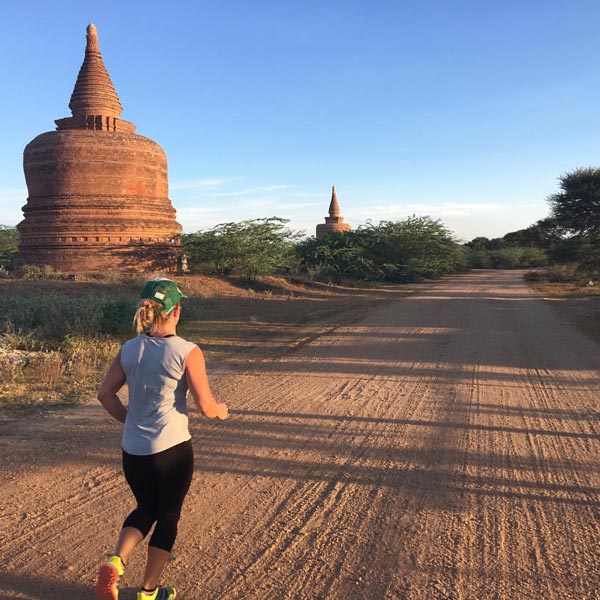
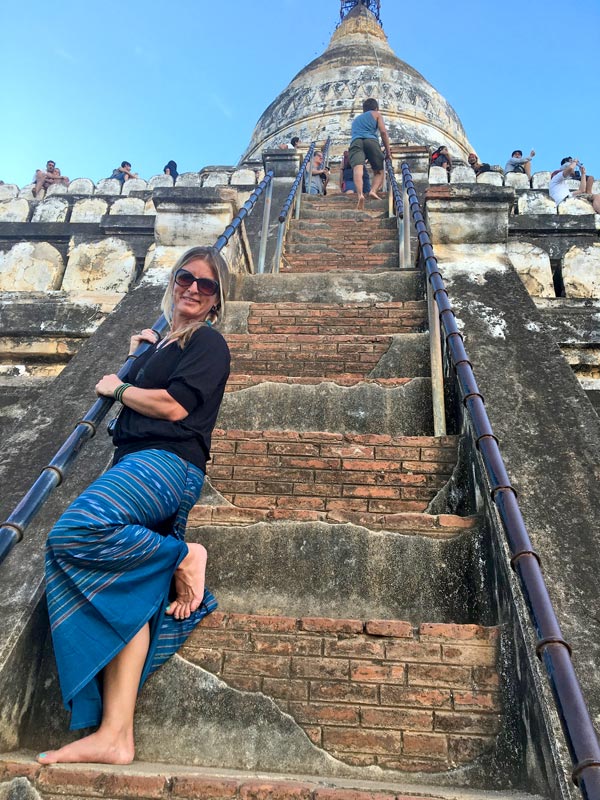
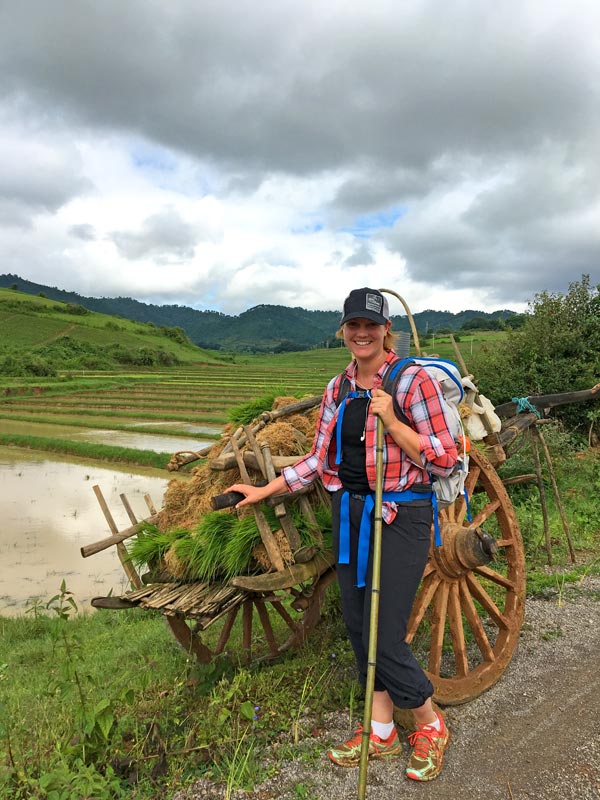 So if you are looking for ways to stay fit on vacation, here are 10 tips to keep in mind:
 You Don’t Need a Fitness Center: You are not out of luck if there is no fitness center at your hotel and you don’t feel like running or walking, you can do a short bodyweight workout in you hotel room that will energize you and help you maintain or increase your existing fitness. If you use exercise bands, jump rope or a heart rate monitor, you can easily pack those for in-room workouts. Below is an example of a few things you can do right in your hotel room. This beginner workout can easily be increased to an intermediate workout by increasing the number repetitions and sets or the addition of a jump rope or exercise bands:
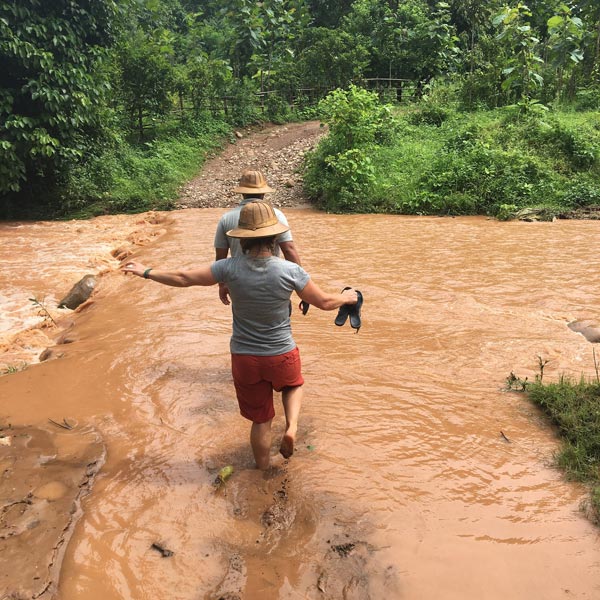 Recruit Your Travel Partner: One of the most effective ways to stay fit while traveling is to recruit your travel partner. Fitness with a friend makes it more fun and easier to commit to spending a little time on your fitness.
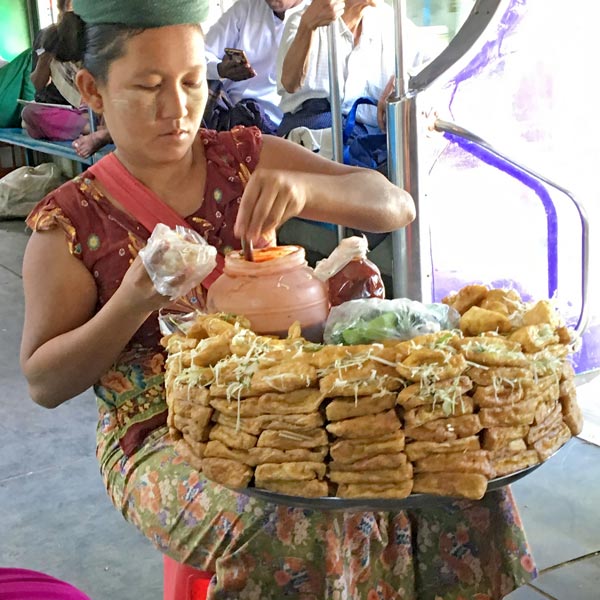 Be Mindful of Your Nutrition: The addition of fitness on your vacation gives you a little more room to splurge on vacation food and drinks. Vacation, particularly when traveling to Southeast Asia, requires indulging in new and delicious cuisine. It’s part of a good vacation. Eat regularly during the day to keep from eating late night meals and large amounts of food at one time. It’s a good idea to pack a few healthy foods like trail mix, protein bars, oatmeal packets, dried fruits and veggies so that you have a few things to reach for when you are hungry. Remember to drink water and try to limit the amount of alcohol consumed.